
What We’ve Learned from Our Youth Mental Health Assemblies

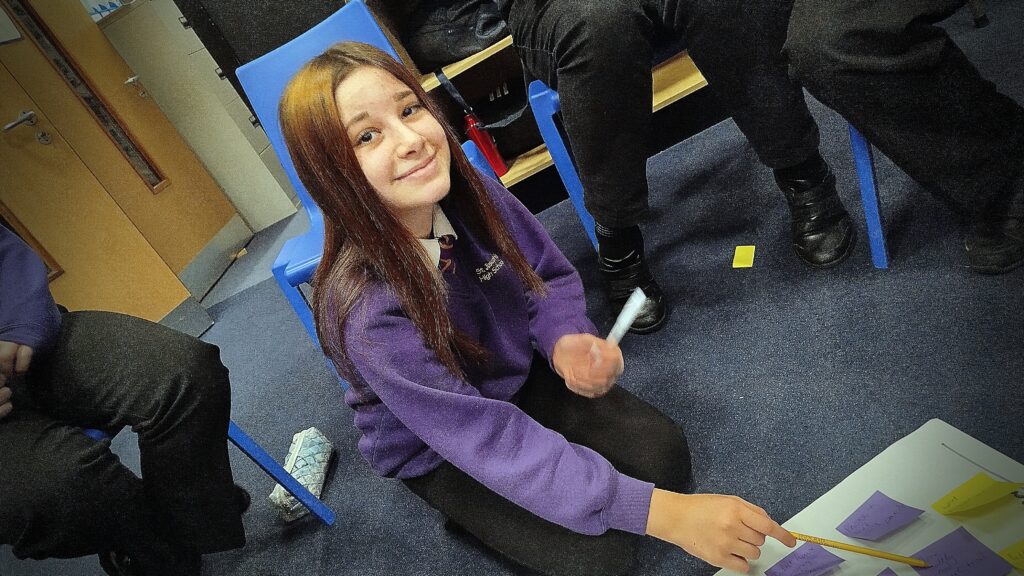
One of the questions we’re often asked at TCC is whether young people are really interested in shaping the decisions that affect their lives.
Our recent Youth Mental Health Popular Assemblies answered that question with a resounding “yes.”
Working with Young Leaders from St Joseph’s Catholic School, we have seen first-hand what happens when young people are trusted not simply to participate, but to lead.
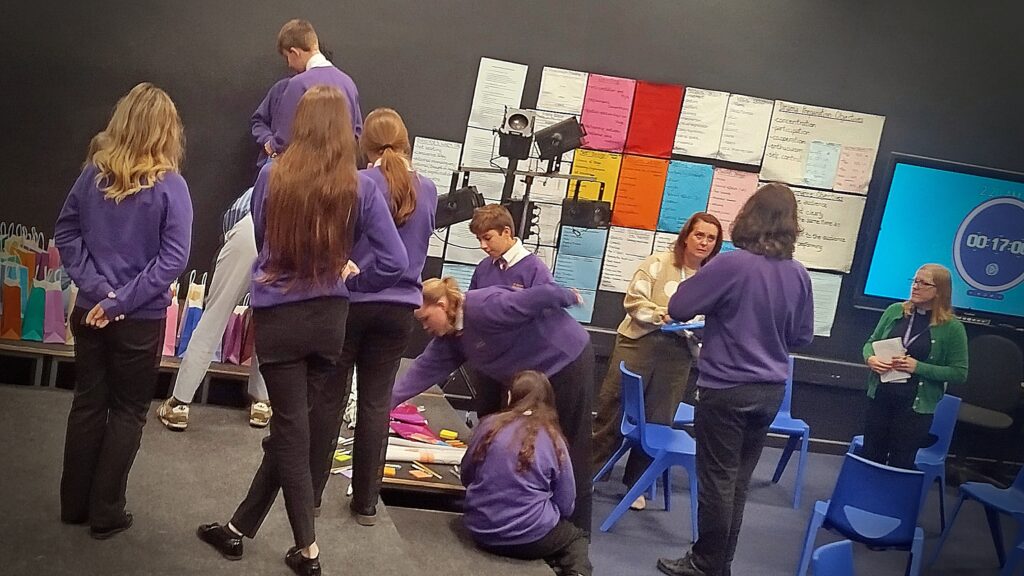
Trained in facilitation and community organising, our Young Leaders designed and delivered the assemblies themselves using the Popular Assemblies model developed by The Humanity Project. Rather than adults directing the conversation, the Young Leaders created a space where their peers could explore the issues affecting their mental health and wellbeing through respectful discussion and shared decision-making.
The results were inspiring.
Young people listened carefully to one another, challenged ideas respectfully, and worked together to identify the issues that mattered most to them. More importantly, they didn’t stop at identifying problems—they began developing practical solutions and agreeing on actions they believed would make a genuine difference in their schools and communities.
One discussion in particular demonstrated the value of this approach.
As conversations developed around bullying, participants quickly recognised that simply reacting to incidents wasn’t enough. Instead, they began exploring how schools could build confidence, resilience, and stronger relationships from an early age. What started as a discussion about a problem gradually evolved into the foundations of a positive, preventative approach that had been developed entirely by the young people themselves.
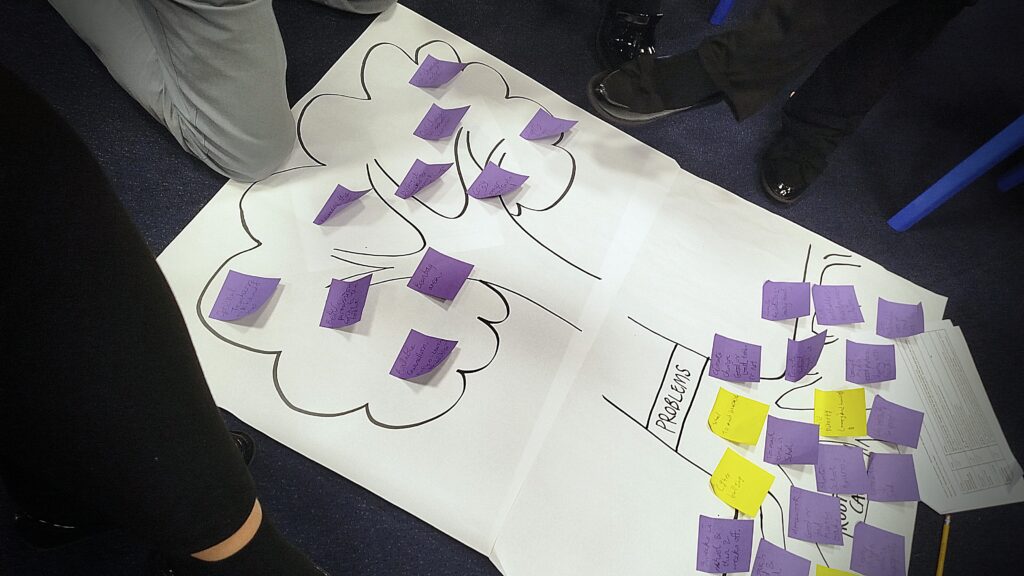


This is one of the greatest strengths of deliberative community organising.
When young people are given the time, trust, and tools to think critically together, they demonstrate remarkable creativity, empathy, and leadership. They don’t need adults to provide every answer; they need adults willing to create opportunities for their ideas to emerge.
At TCC, we believe community organising is about far more than consultation. Too often, young people are invited to share their opinions without seeing any meaningful change. Popular Assemblies offer something different. They place young people at the centre of the conversation and give them ownership over both the discussion and the solutions.
The priorities identified during these assemblies will now feed directly into the Mental Health Voices Collaboration (MHVC), ensuring that the voices of young people help shape wider conversations with organisations, partners, and decision makers across Wrexham and North Wales.
This reflects one of TCC’s core beliefs: people are experts in their own lives, regardless of their age.
Young people are not simply the leaders of tomorrow. Given the opportunity, they are leaders today.
Our biggest lesson from these assemblies is a simple one:
When we stop asking young people to fit into adult conversations and instead trust them to lead their own, the quality of ideas, discussion, and solutions can be extraordinary.



Responses