
When Young People Lead, They Don’t Need Us to Have All the Answers

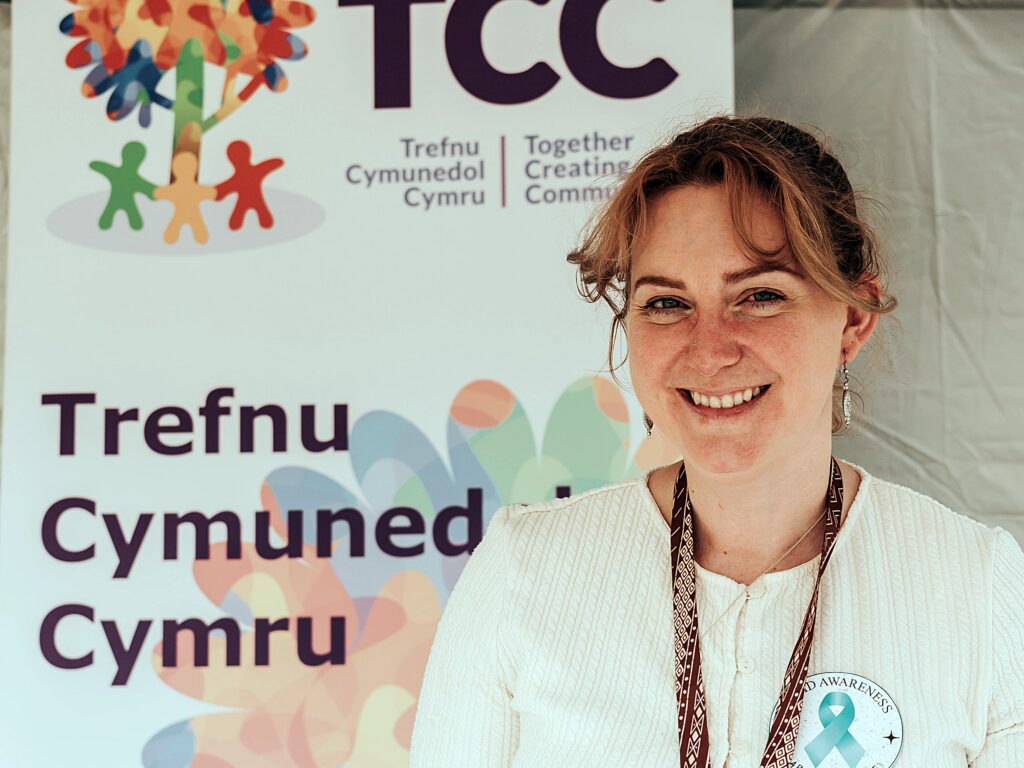
Reflections from Ruth Marshall, Youth Organiser, Together Creating Communities (TCC)
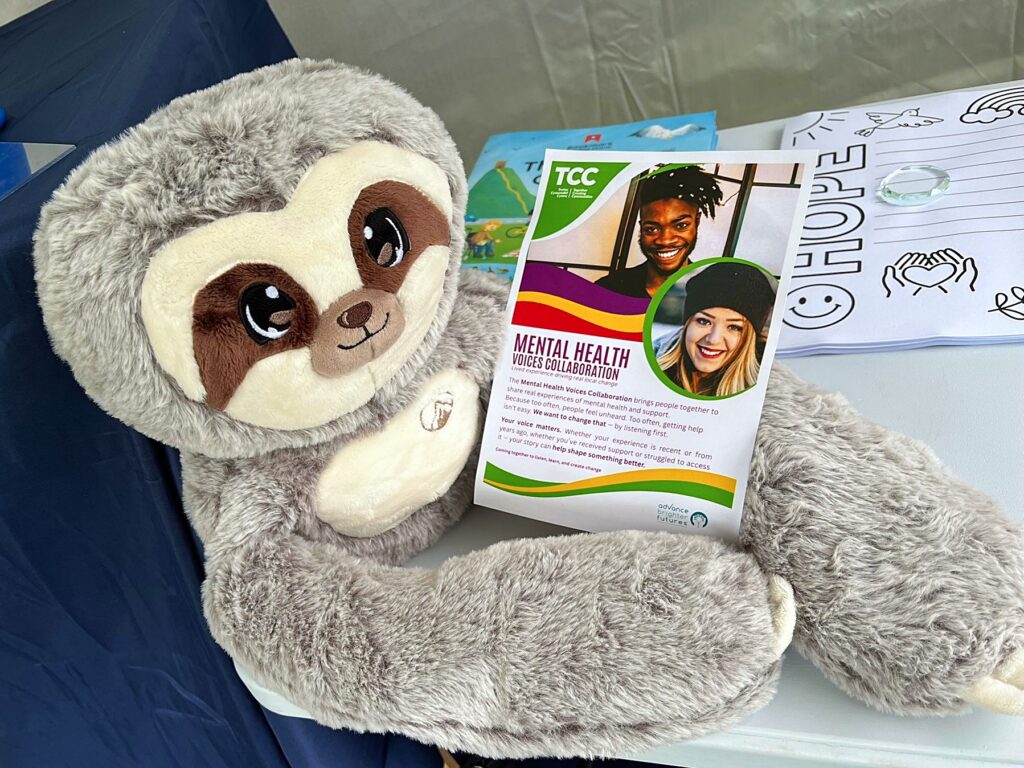
Over the past year, I’ve had the privilege of working alongside young people in Wrexham and Mold as part of our Mental Health Voices Campaign.
What started as a conversation about mental health has become something much bigger.
It’s become a conversation about power.
About who gets listened to.
About who gets to shape decisions.
And about the kind of democracy we want young people to inherit.
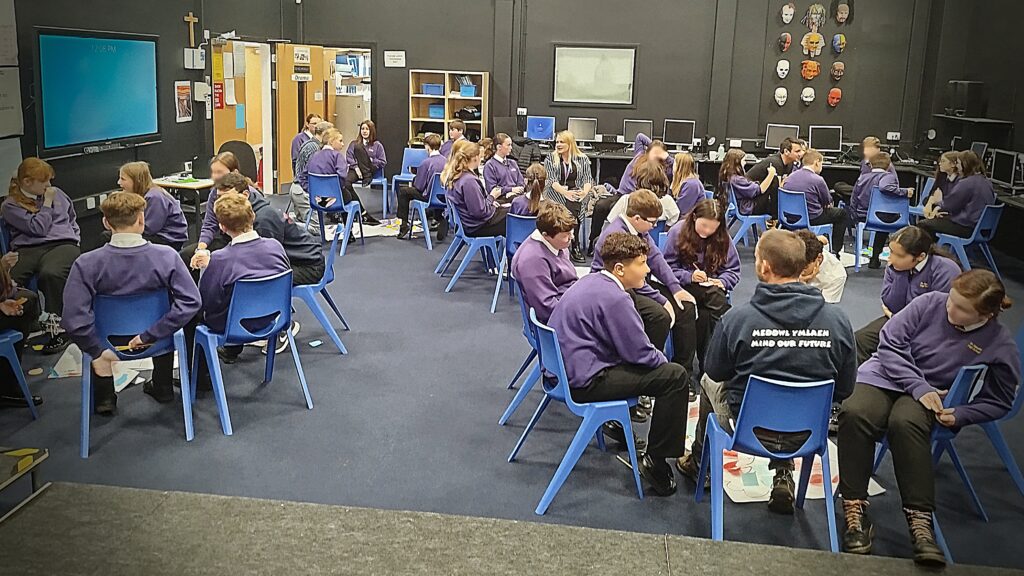
Our assemblies at St Joseph’s School and Ysgol Maes Garmon were originally designed to help us better understand the issues affecting young people’s mental health and wellbeing. Around 200 young people have now taken part in this process, using community assembly methods adapted for schools. Young people explored the issues affecting them, voted on priorities, identified root causes and developed their own recommendations for change.
What I didn’t expect was how strongly the process itself would reinforce my belief that assemblies are one of the most powerful tools we have for youth participation.
Not because they give young people a voice.
Young people already have a voice.
Assemblies create the conditions for that voice to be heard.
We underestimate young people
One of the things that strikes me every time we run an assembly is how quickly young people move beyond the questions adults think they will ask.
We expected conversations about anxiety, stress and wellbeing.
Those conversations happened.
But young people also wanted to talk about war, politics, climate change, poverty, bullying, social media, discrimination, housing, jobs and the future. At Ysgol Maes Garmon, concerns about politics, war and global events received more recorded votes than any other issue. Self-harm and suicide, social media, body image and bullying also emerged strongly.
What young people showed us is that they don’t separate mental health from the world around them.
Mental health doesn’t sit in a box.
It is affected by friendship groups, school pressures, family circumstances, online life, inequality, global events and whether people feel they have any control over what happens next.
When young people are given the opportunity to deliberate together, they make those connections incredibly well.
In many cases, better than adults do.
The most important thing we learned wasn’t in the data
One of my favourite moments came after one of the assemblies.
We were reflecting with our Young Leaders about how the day had gone.
TCC has always believed in young people leading wherever possible. Before these assemblies took place, our Young Leaders received training in facilitation, listening, deliberation and holding safe spaces. They weren’t simply participants. They were facilitators and organisers.
At St Joseph’s, however, we had so many students taking part that we simply didn’t have enough trained Young Leaders to facilitate every discussion group. Adult facilitators stepped in to support some of the tables.
What followed was fascinating.
The Young Leaders noticed that different facilitators shaped conversations in different ways. Some adults naturally brought professional perspectives or organisational interests into discussions.
The young people picked up on it immediately.
Not because the adults were doing anything wrong.
Because the young people had developed the confidence and awareness to recognise it.
For me, that was one of the strongest examples of the training working exactly as intended.
The lesson wasn’t “adults are bad facilitators”.
The lesson was that power exists in every conversation.
Assemblies gave young people the opportunity to notice that, question it and think critically about it.
That’s what democratic participation looks like.
Young people already know more than we think
One discussion about bullying has stayed with me.
A group of young people challenged the common understanding of what bullying looks like.
They explained that bullying isn’t always one person deliberately targeting another.
Sometimes something embarrassing happens.
Nobody starts out trying to be cruel.
But everybody joins in.
The impact on the young person experiencing it is still real.
The group went on to suggest that schools shouldn’t only focus on dealing with bullying after it happens. They wanted schools to help young people develop resilience, emotional awareness and healthy relationships before situations escalated.
When we reflected on their discussion afterwards, I remember saying to a member of school staff:
“Your young people have just written an anti-bullying strategy.”
Because they had.
Nobody had asked them to.
Nobody had given them a template.
They arrived there through listening, discussion and deliberation.
That experience reinforced something I have come to believe very strongly:
If you give people the right tools, they know.
They know what is wrong.
They know what matters.
They often know what needs to happen next.
Why I believe assemblies belong in schools
The longer I do this work, the more convinced I become that assemblies belong in schools.
Not as special projects.
Not as occasional consultations.
Not as something squeezed in when funding allows.
As a normal part of how schools operate.
Schools teach young people maths, science, literacy and history.
But where do young people learn how to listen to people they disagree with?
Where do they learn how to deliberate?
How do they practise identifying root causes?
How do they experience collective decision-making?
How do they learn that democracy is something you do, not something that happens to you every few years?
Assemblies create that opportunity.
Young people learn by doing.
They learn to listen.
They learn to speak.
They learn to challenge ideas respectfully.
They learn that difference isn’t something to fear.
It is something that makes collective decision-making stronger.
A different vision for youth participation
Too much youth participation still operates on the assumption that adults make decisions and young people are consulted.
Assemblies turn that relationship on its head.
They start from a different assumption.
That young people are capable of thinking together.
Capable of understanding complexity.
Capable of generating ideas.
Capable of leading.
Capable of shaping the agenda.
In other words, capable of democracy.
That’s why I believe the assembly model is one of the most promising approaches available for youth participation today.
It moves beyond consultation.
It builds agency.
It strengthens confidence.
It creates relationships.
And it helps young people understand that they are not simply recipients of change.
They can be creators of it.
What comes next
My ambition is simple.
I want to train as many young people as possible in facilitation, listening, deliberation and participatory democracy.
I want these skills to become normal.
I want young people to leave school already understanding how to organise, listen, work across difference and shape decisions that affect their communities.
I want community assemblies to become something that happens not because a project exists, but because communities see value in gathering to think together.
In schools.
In community centres.
In libraries.
In parks.
Everywhere.
The Mental Health Voices Campaign has reinforced my belief that young people are not waiting to be empowered.
The talent, insight and leadership are already there.
Our role is to create the conditions where they can flourish.
Because if we want a fairer, more democratic and more bottom-up future, we need to start practising it now.
And in my experience, assemblies are one of the best places to begin
If you would like to read Ruth’s full reflection paper, or find out more about TCC’s Youth Leadership Programme and the use of Popular Assemblies in schools, please email Ruth Marshall at yaco@tcc-wales.org.uk.


Responses