
Participation Isn’t Enough: Community Power and Systems Change

What does meaningful participation actually look like?
For TCC, the answer has always been about more than simply inviting people into a room, asking for their views and then carrying on as before.
Meaningful participation means giving people the opportunity, confidence and support to influence the decisions that affect their lives.
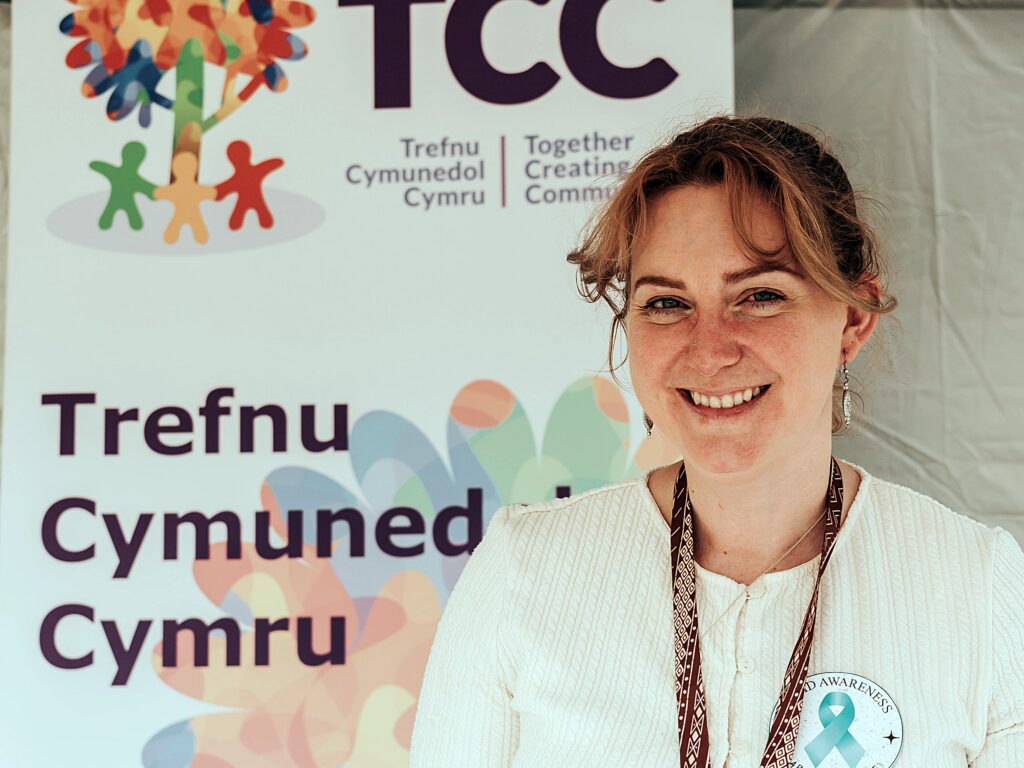
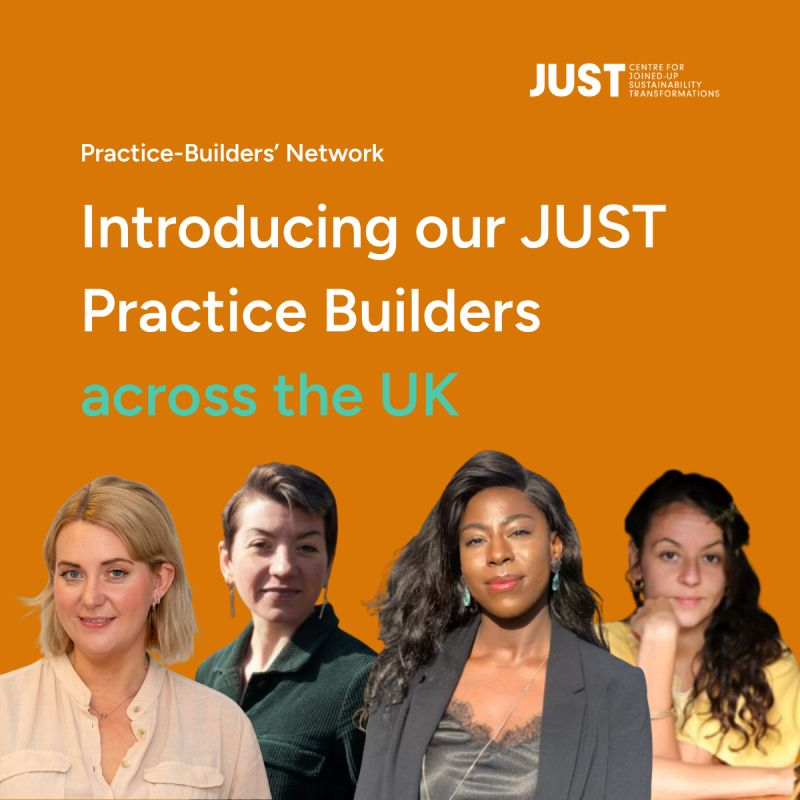
That is why we are pleased that TCC Co-Manager Ruth Marshall is contributing to the work of the Centre for Joined-up Sustainability Transformations (JUST) as part of its Practice-Builders’ Network.
The JUST Practice-Builders bring together people working across sustainability, climate action and social justice to explore how systems can be transformed in ways that are fair, inclusive and rooted in the experiences of communities.
Following the Network’s latest gathering, JUST has highlighted an important emerging theme:
Participation without shared power isn’t enough.
Simply inviting more people into existing processes does not necessarily change who has influence. Meaningful participation requires us to think about how power is built, shared and sustained.
That is a principle that strongly reflects TCC’s approach to community organising.
Ruth described her own approach as:
“creating accessible pathways, tools, and relationships that help people step into leadership with confidence. I want people to feel equipped, not excluded”.
For TCC, this means recognising that communities are not simply audiences or consultees. People have knowledge, experience and expertise that can help shape better decisions and better solutions.
It also means recognising leadership wherever it exists.
A Community Leader does not necessarily hold a formal position or title. Leadership can be found in the person who brings people together, starts a difficult conversation, notices whose voice is missing, or helps someone else find the confidence to speak.
This is why developing Community Leaders is such an important part of TCC’s work.
The principles emerging from the JUST Practice-Builders’ Network include:
- Listening before acting
- Building partnerships around shared values
- Recognising communities as leaders
- Building trust over time
- Recognising the connections between social and environmental justice
These principles can be seen across TCC’s work.
Our Youth Organising programme supports young people to identify the issues that matter to them and develop the confidence and skills to campaign for change. The Mental Health Voices Collaboration puts lived experience at the centre of conversations about mental health. Through the Wrexham Poverty Action Collaboration, communities experiencing poverty have opportunities to influence conversations with decision-makers.
Our Accountability Sessions similarly created a space where communities could put their questions directly to candidates standing for election.
Across all of these projects, the underlying principle is the same: people closest to an issue should have the opportunity to help shape the response.
The JUST discussions also highlight the importance of bringing different forms of knowledge together. Academic expertise, professional experience and lived experience each have value, but meaningful change happens when these perspectives can meet, challenge one another and contribute to shared solutions.
This is particularly important when we think about complex issues such as poverty, mental health, climate change, accessibility and community cohesion. No single organisation, profession or individual has all the answers.
Change requires relationships.
It requires trust.
It requires people to be supported to lead.
And it requires a willingness to share power.
For TCC, being part of the JUST Practice-Builders’ Network provides an opportunity to contribute our experience of community organising while learning from others working to create positive change.
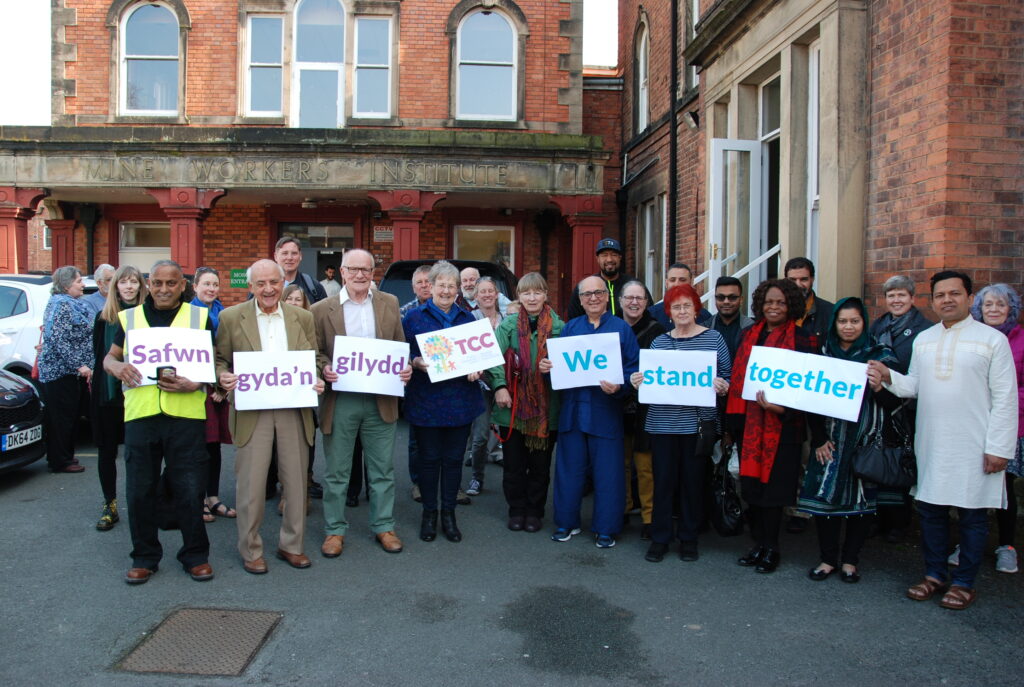
Because lasting change doesn’t happen to communities.
It happens with them. https://www.just.ac.uk/news/2026/08/PBN-second-session/




Responses