
From Lived Experience to Action: Working With Me, Not For Me

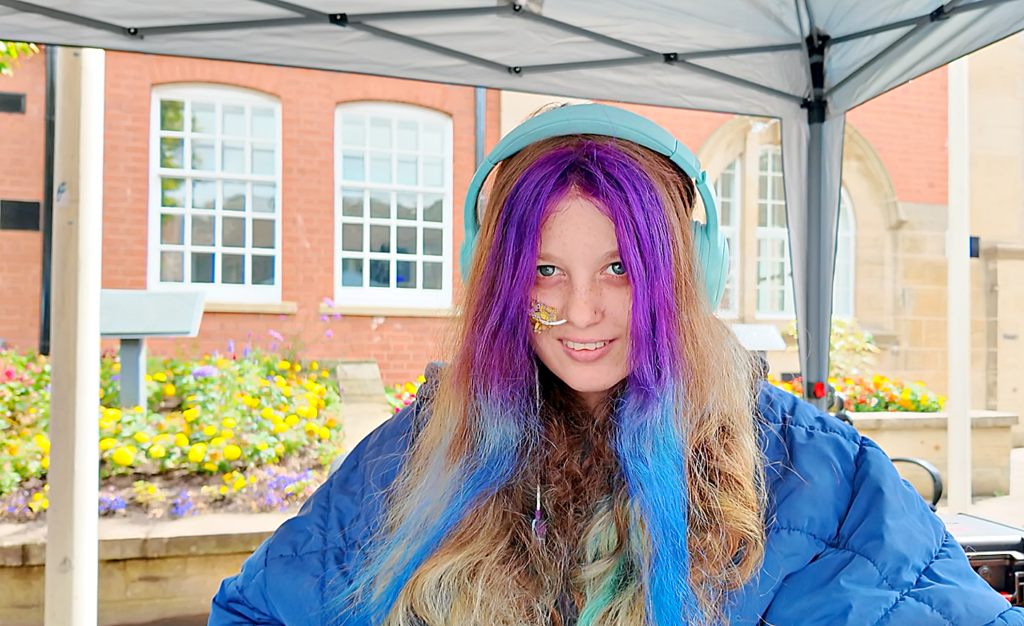
The story behind the ARFIDandME campaign begins before Macy met TCC. She was already campaigning, creating resources and trying to turn her lived experience into change. What she was looking for was not someone to take over — but someone to work alongside her.
Macy had already been advocating around ARFID for several years before she began working with TCC.
She had been creating resources, contacting organisations, travelling to London, attending marches, raising awareness and trying to find ways to improve things for people living with ARFID.
She had ideas. Lots of them.
She had determination, experience and a very clear understanding of why change was needed.
What she didn’t always have was someone who could help her work out what came next.
As Macy explains:
“I had loads of ideas, I was making resources, going to marches in London, contacting people, trying to raise awareness and trying to push for change. But I think one of the biggest things I was missing was having somebody who actually understood how to help me take those ideas further.”
That changed when she began working with Scarlett Williams and TCC.
Working with, not for
One of the most important things Macy describes about the relationship is what it isn’t.
Scarlett didn’t arrive to take over Macy’s campaigning. She didn’t come with a ready-made agenda or tell Macy what her campaign should look like.
Instead, she listened.
She took Macy’s ideas seriously, gave her space to lead and helped her explore what might be possible.
Macy describes it as a balance that is particularly important to her:
“I have always wanted to be independent and I am very passionate about the things I campaign for, so I never wanted to feel like someone else had suddenly taken ownership of it.”
That independence remains central to the work.
Macy still leads her own advocacy. What has changed is that she now has someone alongside her who can help turn an idea into a conversation, a connection, an opportunity or an action.
As Macy puts it:
“I wanted someone to work with me, not for me and not over me.”
Supporting independence
For TCC, this is an important distinction.
Community organising is not about organisations speaking on behalf of people when those people can speak for themselves.
It is about creating the conditions in which people affected by an issue can develop their own voice, build relationships, identify the changes they want to see and organise to make those changes possible.
Macy describes the difference Scarlett’s support has made:

“She supports me without making me feel dependent on her.”
And:
“She challenges me to think bigger without taking the work away from me.”
Those words capture something fundamental about the relationship.
Support does not have to mean taking control.
Sometimes the most useful thing someone can do is listen carefully, ask what could happen next, help make connections and then step back enough for the person with lived experience to lead.
Macy describes Scarlett as someone who helps open doors while making sure that Macy is the person walking through them.
From an idea to something real
For Macy, this has brought a new sense of possibility.
Before working with TCC, she could have an idea but be unsure who to take it to or how to get people to listen.
Now, she has someone she can bring those ideas to — someone who will sit with them, talk them through and help identify possible routes forward.
That doesn’t mean every idea automatically becomes reality.
It means there is now a process for exploring what might be possible.
And that has helped Macy believe that some of the things she wants to achieve may actually be achievable.
“Instead of just thinking, ‘this needs to change’, we are starting to ask, ‘how do we change it, who needs to hear this and what can we actually do next?’”
That is a significant shift.
It is the point where individual advocacy can begin to develop into collective organising.
A campaign built around lived experience
The ARFIDandME campaign is deeply personal for Macy.
ARFID affects her life every day, and much of her determination to campaign comes from knowing what it feels like to be misunderstood, to have assumptions made about you and to feel that you constantly have to prove what you are experiencing.
She cannot change everything that has happened to her.
But she can work towards ensuring that those experiences lead to something better for someone else.
And that is where the partnership with TCC becomes particularly important.
Macy’s lived experience remains at the heart of the campaign, but the ambition is to create something bigger than one person’s story.
The next stage is about bringing other people into the conversation.
People living with ARFID.
Parents and carers.
Professionals.
People with different experiences, perspectives and expertise.
That thinking has already led to one of the campaign’s first major developments: the ARFID Lived Experience Issues Group.
What began as an idea Macy had been carrying for some time is now becoming a space where people affected by ARFID can come together, share experiences and begin identifying what needs to change.
In the next part of this story, we’ll explore how that idea became a reality — and why creating a space for people affected by ARFID to shape the campaign is so important.
This is a story of lived experience becoming collective action. And it is only the beginning.


Responses