
Making the “We” Bigger: TCC Joins The Humanity Project

How do we build stronger communities when people hold very different views?
And how do we create meaningful relationships across those differences without pretending they don’t exist?
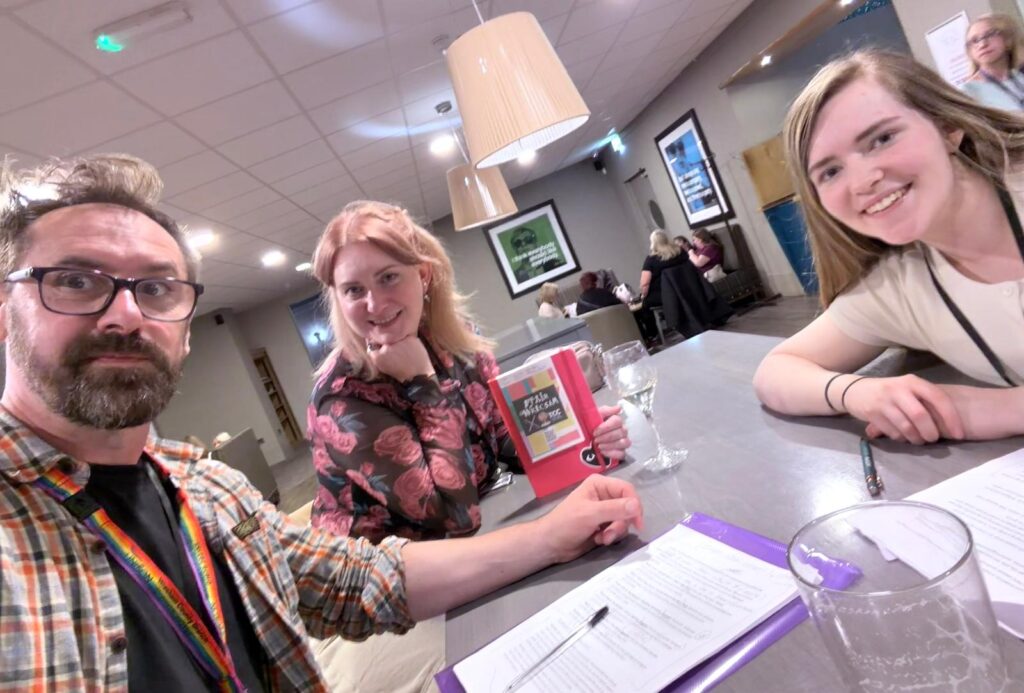
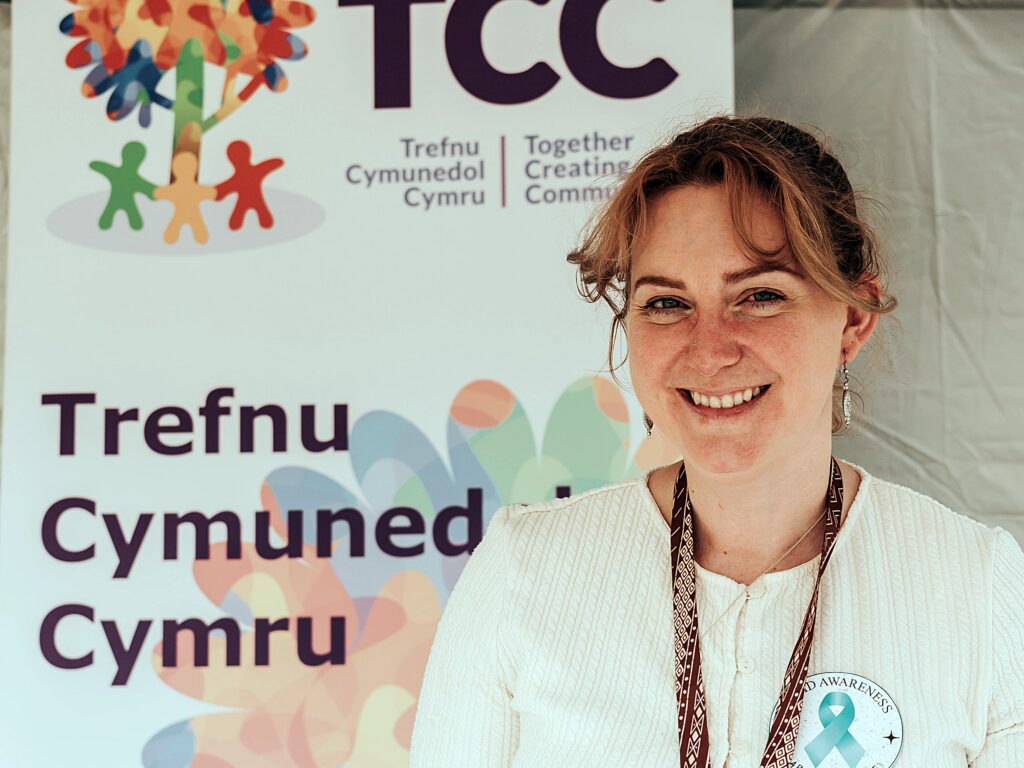
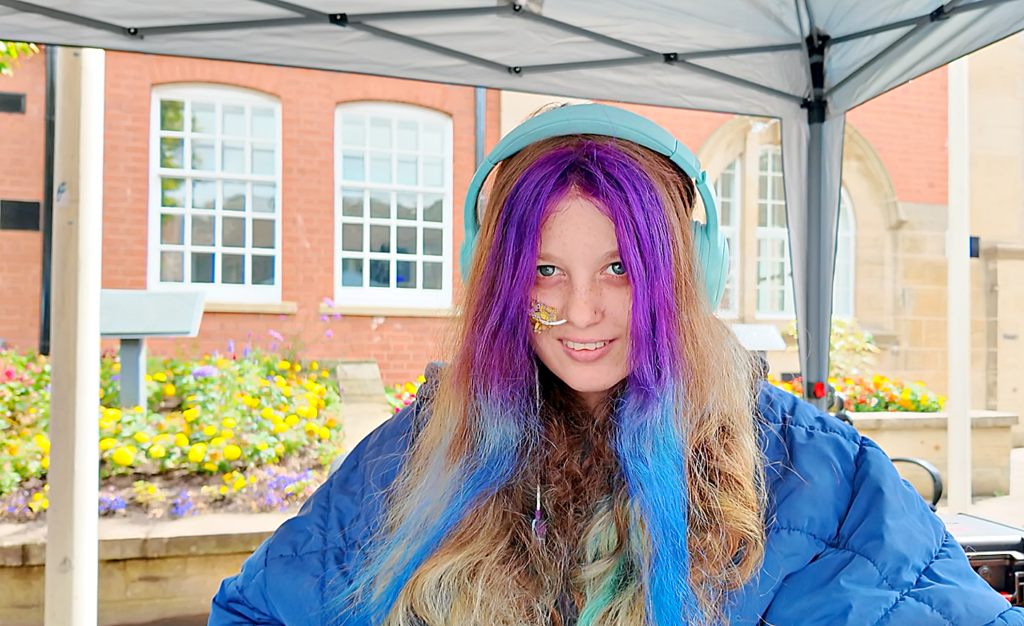
These were among the questions explored when TCC staff Ruth Marshall, Stephen Kenyon-Owen and Scarlett attended a Humanity Project event this weekend.
The event brought together people interested in how communities can become more connected, resilient and capable of responding to the challenges facing them.
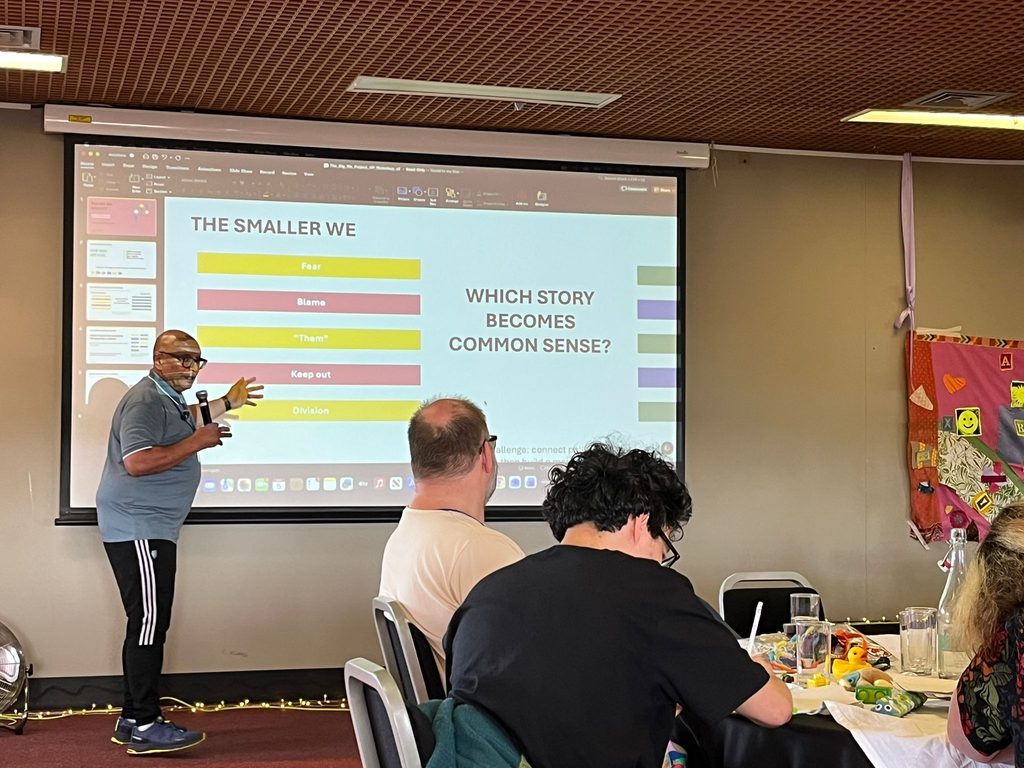
For TCC, one of the most relevant sessions explored an emerging Humanity Project discussion around The Big We.
The idea is rooted in a simple but powerful proposition: we need to find ways of creating a stronger sense of shared community without asking people to abandon the identities, experiences or beliefs that make them who they are.
As the Humanity Project discussion document puts it:
“Make the ‘we’ bigger without making our differences smaller.”
Understanding doesn’t mean agreeing
The session explored what meaningful dialogue might look like in communities experiencing increasing division.
One of the principles particularly resonated with TCC:
Understanding is not agreement.
A healthy democracy does not require everyone to think the same way. There will always be disagreements about politics, priorities, values and the future direction of our communities.
The challenge is whether we can maintain relationships across those differences without dehumanising one another—and whether we can identify things that we can still work on together.
The Humanity Project’s discussion document describes the purpose of an “impossible conversation” not as achieving compulsory consensus, but developing the ability to remain in relationship despite profound disagreement, distinguish understanding from endorsement, and identify opportunities for shared action.
That approach has obvious relevance to TCC’s community organising work.
More than putting people in a room
Another important message from the session was that simply bringing people together does not automatically create understanding or reduce division.
The research discussed by the Humanity Project suggests that positive contact between groups can help reduce prejudice, but that the quality of that contact matters. Poorly designed or negative encounters can potentially reinforce existing divisions.
That means meaningful engagement requires preparation, trust, appropriate facilitation and safe spaces for people to participate.
For TCC, this reinforces something we encounter regularly through community organising: relationships take time.
Listening comes before acting. Trust has to be earned. People need to feel that their contribution matters, rather than feeling that they have simply been invited to provide information to someone else.
And ultimately, participation needs to lead somewhere.
The Humanity Project discussion identifies this progression explicitly, moving from connection and understanding through deliberation and leadership towards co-governance and shared ownership.
Connecting with Belonging in our Community
The conversations also have a strong connection with TCC’s upcoming Belonging in our Community campaign.
The campaign will explore the divisiveness that can develop within communities, including the role of misinformation and intimidation in creating hostility and racial hatred.
But challenging division isn’t simply about telling people that they are wrong.
It is also about creating opportunities for people to encounter one another, listen to different experiences and discover the things they share.
The Humanity Project’s proposed working principles include recognising legitimate grievance while challenging racialised scapegoating, designing meaningful contact rather than simply convening people, and protecting communities where necessary while continuing to build relationships.
These are complex issues, and there are no easy answers.
But creating spaces where those questions can be explored openly and respectfully is an important part of building healthier communities.
Taking the conversation forward
Ruth, Stephen and Scarlett came away from the event with plenty to think about—and plenty of ideas that connect with TCC’s existing work around community organising, youth leadership, lived experience and participation.
The Humanity Project’s emerging work asks communities to consider some deceptively simple questions: What threatens belonging where we live? Who doesn’t currently talk to whom? What difficult conversation needs to become possible? And what shared local problems could people with different politics work on together?
Those are questions worth asking.
Because building cohesive communities doesn’t mean pretending that differences don’t exist.
It means finding ways to live with those differences, understand one another better, challenge discrimination and create opportunities for people to exercise power together.
For TCC, that is a conversation we’re very happy to be part of.
We may not always agree. But we can still build a bigger “we”.



Responses